How I Finally Made Fitness Stick — A Real Guide for Women Who’ve Tried Everything
Ever started a workout plan only to quit a week later? You’re not alone. As someone who struggled for years with inconsistent routines and zero results, I’ve tested every method out there. What I discovered wasn’t another trendy fitness fad — just simple, sustainable changes that actually work. This is a real guide for real women, built on experience, not hype. Let’s talk about how exercise can finally feel doable, effective, and even enjoyable — without burning out.
The Truth About Why Women Quit Exercise (And What Actually Helps)
So many women begin a fitness journey with genuine excitement and determination, only to find themselves slipping back into inactivity within days or weeks. The truth is, most aren’t failing because they lack discipline. They’re failing because the expectations placed on them — by media, by fitness culture, or even by themselves — are misaligned with real life. Starting with hour-long workouts six days a week may sound ambitious, but for a woman juggling work, family, and personal responsibilities, it’s often unsustainable from the start.
One of the most common reasons women abandon exercise is the belief that if they can’t do it “perfectly,” they shouldn’t do it at all. This all-or-nothing mindset sets people up for guilt and discouragement the moment life gets in the way. A late meeting, a sick child, or a tired evening can derail the entire plan. But fitness isn’t about perfection — it’s about consistency over time. Research consistently shows that regular, moderate activity yields better long-term results than sporadic, intense efforts followed by burnout.
Another major factor is the focus on quick fixes. The fitness industry thrives on promises of rapid weight loss, six-pack abs in 30 days, or total body transformations in under a month. These goals are not only unrealistic for most, but they also ignore the deeper, more meaningful benefits of movement — improved mood, better sleep, increased energy, and stronger bones. When the scale doesn’t move fast enough, motivation fades. But when the goal shifts from appearance to well-being, exercise becomes less of a chore and more of a self-care practice.
What actually helps is starting small and building gradually. It’s about designing a routine that fits your current reality, not an idealized version of yourself. It’s also about recognizing that motivation often follows action — not the other way around. You don’t have to feel inspired to begin. You just have to begin. Once you move, even briefly, your body releases endorphins and energy, which can spark further motivation. The key is to stop waiting for the “perfect time” and start where you are, with what you have.
Why “One-Size-Fits-All” Workouts Don’t Work for Women
Walk into any gym or scroll through a fitness app, and you’ll likely see the same types of workouts promoted for everyone: high-intensity interval training, heavy lifting, or long cardio sessions. While these methods can be effective for some, they’re not universally suitable — especially for women whose bodies respond differently to stress, hormones, and daily demands. A program designed for a 25-year-old athlete with no children and flexible hours simply won’t serve a 45-year-old mother of two managing a full-time job and chronic fatigue.
Women’s bodies are influenced by hormonal fluctuations throughout the month, which affect energy levels, recovery speed, and even mood. Cortisol, the stress hormone, tends to rise more easily in women under pressure, and excessive high-intensity exercise can amplify this response, leading to fatigue, disrupted sleep, and even weight retention. That’s why a one-size-fits-all approach often backfires. Pushing through intense workouts every day may feel productive in the short term, but over time, it can lead to burnout, injury, or disengagement.
Additionally, many women carry the mental load of household management, emotional labor, and caregiving, which adds invisible stress. When a fitness plan adds more pressure instead of relieving it, it becomes just another item on an already overflowing to-do list. The solution isn’t to work harder — it’s to work smarter. This means choosing movement that supports your nervous system, not overwhelms it. It means honoring your energy levels and adjusting your routine based on how you feel, not on a rigid schedule.
For example, a low-energy day doesn’t mean you should skip movement altogether. It might mean swapping a high-intensity session for a 20-minute walk, some gentle stretching, or a restorative yoga practice. These forms of exercise still offer cardiovascular benefits, improve circulation, and support mental clarity without taxing the body. The goal is sustainability, not intensity. When fitness feels supportive rather than punishing, it becomes something you look forward to, not dread.
Finding Your Fitness Personality: Match Movement to Your Life
Just as people have different learning styles or communication preferences, they also have fitness personalities — unique ways of engaging with movement that feel natural and enjoyable. Some women thrive on structure and measurable progress, while others need variety and spontaneity. Some are energized by group classes, while others prefer solitude. Recognizing your fitness personality is one of the most powerful steps toward building a lasting routine.
Consider the “mover” — someone who naturally enjoys physical activity and feels restless when sedentary. This person might enjoy brisk walks, dancing, or outdoor hikes. For them, movement is a form of expression and release. Then there’s the “thinker” — someone who values understanding the purpose behind their workouts. They may prefer routines that include mindfulness, such as yoga or Pilates, or strength training with clear progress tracking. They’re motivated by knowledge and long-term benefits, not just immediate results.
And then there’s the “social exerciser” — someone who stays consistent because they enjoy the connection and accountability of group settings. Whether it’s a weekly walking club, a dance class, or a virtual fitness community, the social component keeps them engaged. For these women, exercise isn’t just about health — it’s about belonging.
Matching your fitness style to your personality increases the likelihood that you’ll stick with it. If you’re a thinker but force yourself into chaotic, loud spin classes, you may feel drained rather than energized. If you’re a social exerciser but isolate yourself with solo workouts, you might lose motivation quickly. The key is self-awareness. Ask yourself: When do I feel most alive during movement? What types of exercise leave me feeling refreshed, not exhausted? What environment makes me want to show up? Answering these questions helps you design a routine that aligns with who you are, not who you think you should be.
The 10-Minute Rule: How Small Efforts Create Big Results
One of the biggest barriers to exercise is the belief that it has to take a lot of time. Many women assume they need 45-minute gym sessions or full-length workout videos to see any benefit. But research from the American Heart Association shows that even short bursts of activity — as little as 10 minutes at a time — can improve cardiovascular health, boost mood, and increase daily energy levels. The key is consistency, not duration.
The 10-minute rule is a simple but powerful concept: commit to just 10 minutes of movement each day. That’s it. You don’t have to do a full workout. You don’t have to break a sweat. You just have to move. Often, once you start, you’ll find yourself continuing beyond the 10 minutes. But even if you don’t, you’ve still made a meaningful contribution to your health. Over time, these small efforts accumulate into real, lasting change.
Think of it like compound interest for your body. Ten minutes of bodyweight squats, lunges, and arm raises in the morning. A 10-minute walk after lunch. A short stretch before bed. These moments may seem insignificant in isolation, but when repeated daily, they build strength, improve flexibility, and support metabolic function. A study published in the British Journal of Sports Medicine found that adults who engaged in brief, frequent physical activity had lower risks of early mortality, even if they didn’t meet traditional exercise guidelines.
What makes the 10-minute rule so effective is its accessibility. It removes the pressure of finding “extra” time in a busy schedule. You can do it while waiting for dinner to cook, during a work break, or while your kids play. No equipment is needed. No special clothing. Just your body and a willingness to show up. Try a simple routine: 1 minute of marching in place, 1 minute of arm circles, 1 minute of standing knee lifts, 1 minute of squats, 1 minute of push-ups (against the wall or on the floor), 1 minute of glute bridges, 1 minute of side leg lifts, 1 minute of calf raises, 1 minute of deep breathing, and 1 minute of gentle stretching. That’s a full-body movement sequence in just 10 minutes.
Strength Training Without Fear: Why It’s Essential (And Not Intimidating)
Despite its proven benefits, strength training remains underutilized by many women, often due to persistent myths. One of the most common misconceptions is that lifting weights will make women “bulky.” In reality, women lack the testosterone levels required to build large, muscular physiques without extreme training and dieting. Instead, strength training leads to a stronger, more toned appearance, improved posture, and increased functional ability — making everyday tasks easier, from carrying groceries to climbing stairs.
More importantly, muscle mass naturally declines with age, starting as early as the mid-30s. This process, called sarcopenia, can lead to weakness, reduced mobility, and higher injury risk. Strength training slows this decline, helping women maintain independence and vitality as they age. It also supports bone density, reducing the risk of osteoporosis — a condition that affects one in three women over 50. Unlike cardio, which primarily benefits the heart and lungs, strength training builds the structural foundation of the body.
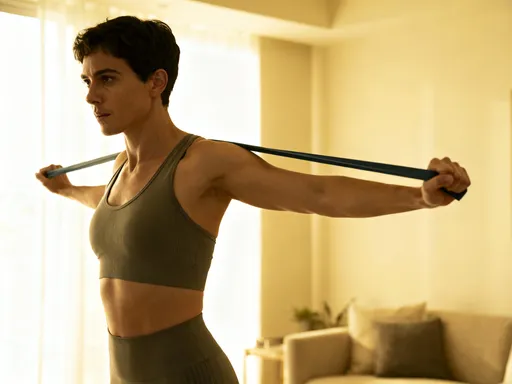
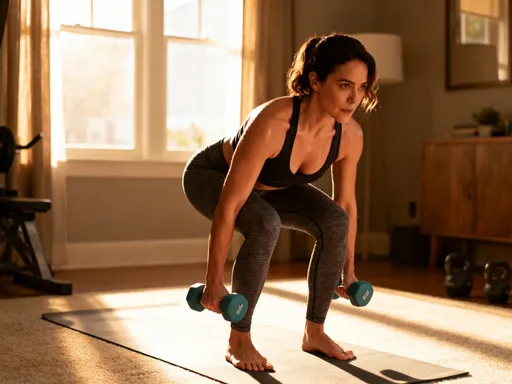
The good news is that strength training doesn’t require a gym membership or heavy equipment. Bodyweight exercises like squats, lunges, planks, and push-ups are highly effective. Resistance bands are affordable, portable, and offer adjustable intensity. Light dumbbells or water bottles can be used at home. The goal isn’t to lift the heaviest weight possible, but to challenge your muscles progressively over time.
A simple beginner circuit might include: 10 bodyweight squats, 10 modified push-ups (on knees or against a wall), 10 standing rows using a resistance band, 10 glute bridges, and a 20-second plank. Repeat the circuit 2–3 times, 2–3 days per week. As your strength improves, you can increase repetitions, add resistance, or shorten rest periods. The focus should be on form and consistency, not speed or intensity. When done safely and regularly, strength training becomes a empowering part of your routine — not something to fear.
Moving With Your Cycle: A Smarter Way to Exercise
For many women, the menstrual cycle is treated as an inconvenience — something to ignore or push through. But the truth is, your cycle offers valuable insight into your energy, mood, and physical capacity. By aligning your workouts with your hormonal phases, you can exercise more effectively and with less strain. This approach, often called cycle-syncing, isn’t about limiting yourself — it’s about working with your biology, not against it.
The menstrual cycle has four main phases: menstruation, follicular, ovulation, and luteal. During menstruation (days 1–5), estrogen and progesterone are low, which can lead to fatigue, cramping, and lower stamina. This is not the time for intense workouts. Instead, gentle movement like walking, stretching, or restorative yoga can improve circulation, reduce bloating, and ease discomfort. Listening to your body during this phase builds self-trust and prevents burnout.
The follicular phase (days 6–14) brings rising estrogen levels, which boost energy, mood, and motivation. This is an ideal time for moderate to high-intensity workouts — cardio, strength training, or interval sessions. Your body is primed for growth and endurance, making it easier to push yourself and see progress. Ovulation (around day 14) marks peak energy and confidence. Many women feel strong and social during this time, making it perfect for group classes or challenging workouts.
The luteal phase (days 15–28) is marked by rising progesterone, which can cause fatigue, bloating, and mood swings. High-intensity exercise may feel harder, and recovery may take longer. This doesn’t mean you should stop moving — it means adjusting your approach. Focus on steady-state cardio, strength maintenance, and mindfulness-based movement. If you’re feeling sluggish, honor that. A 20-minute walk or a stretching session still counts. The goal is to stay active without depleting your energy reserves.
Not every woman has a textbook 28-day cycle, and that’s okay. The principle remains the same: pay attention to how you feel each week and adjust accordingly. Over time, you’ll notice patterns in your energy and performance. This awareness transforms exercise from a rigid obligation into a responsive, intuitive practice.
Building a Routine That Lasts: From “I Should” to “I Will”
Lasting fitness change isn’t driven by willpower — it’s shaped by design. Willpower is finite. It fades when you’re tired, stressed, or overwhelmed. But a well-designed routine removes the need for constant decision-making. It becomes automatic, like brushing your teeth or making your morning coffee. The shift from “I should exercise” to “I will exercise” happens when movement is woven into the fabric of your daily life.
One of the most effective strategies is habit stacking — pairing a new habit with an existing one. For example, if you always drink coffee in the morning, commit to 10 minutes of stretching or light exercise right after. If you brush your teeth at night, follow it with 5 minutes of deep breathing or gentle yoga. These small connections make the new behavior easier to remember and perform.
Environment also plays a crucial role. Keep workout clothes visible and accessible. Place resistance bands near your desk or yoga mat in the living room. The easier it is to start, the more likely you are to do it. Tracking progress can help, but it shouldn’t become obsessive. A simple checkmark on a calendar or a note in your journal is enough to build momentum. Celebrate consistency, not perfection.
Setbacks are inevitable. There will be weeks when life gets in the way. The key is to respond with compassion, not criticism. Missing a few days doesn’t erase your progress. What matters is returning without guilt. Ask yourself: What can I do today, no matter how small? Even five minutes of movement keeps the habit alive. Over time, the goal isn’t to never miss a day — it’s to never stay gone.
Your Body, Your Journey, Your Strength
Fitness isn’t about fitting into a mold created by magazines, influencers, or outdated ideals. It’s about feeling strong, energized, and connected to your body. There is no single “right” way to move. What works for your sister, friend, or coworker may not work for you — and that’s perfectly okay. The most effective fitness routine is the one you can sustain, enjoy, and feel good doing.
This journey isn’t about punishment, restriction, or chasing an unattainable image. It’s about self-respect. It’s about showing up for yourself, day after day, in small but meaningful ways. When you stop fighting your body and start listening to it — honoring its rhythms, respecting its limits, and celebrating its strengths — exercise transforms from a chore into a celebration.
You don’t need a gym, a trainer, or perfect conditions. You just need the willingness to begin, the patience to continue, and the kindness to forgive yourself when you stumble. Every step, every stretch, every breath is a victory. This isn’t about becoming someone else. It’s about becoming more fully yourself — strong, capable, and alive. And that’s a journey worth taking.