Where Art Meets Soul: Wales’ Most Unforgettable Creative Markets
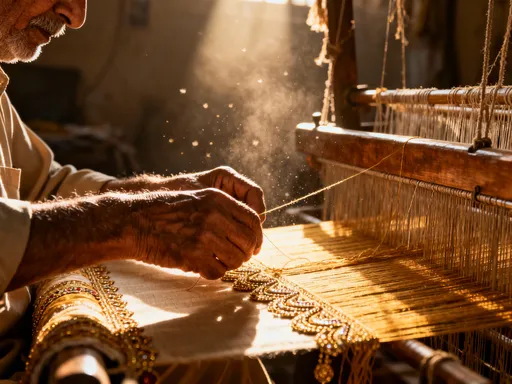
Wales isn’t just castles and mountains—its art scene is quietly revolutionary. I never expected to find hand-blown glass in a seaside town or woven textiles telling centuries-old stories in a cozy Cardiff studio. From village craft fairs to urban design hubs, shopping here feels personal, alive. These aren’t souvenir stalls—they’re galleries in disguise, run by artists who pour their heart into every piece. Let me take you to the places where creativity isn’t just displayed—it’s lived. This is not tourism as usual. It’s a deeper kind of travel, one where every purchase carries meaning, every conversation reveals history, and every object connects you to the soul of a place. In Wales, art isn’t confined to museums. It pulses through market stalls, village halls, and converted train stations, inviting you to look closer, listen longer, and carry home something truly irreplaceable.
The Heartbeat of Welsh Creativity: Why Art Fuels Local Shopping
Art in Wales is more than aesthetic expression—it is cultural memory made visible. Centuries of history, from ancient Celtic traditions to the industrial might of coal and steel, have shaped a creative identity that is both resilient and deeply personal. Patterns seen in traditional Welsh textiles often echo symbols from pre-Roman times, their spirals and interlacings whispering of mythology and land stewardship. Meanwhile, the legacy of mining communities lives on in the craftsmanship of repurposed metalwork and the pride taken in handmade durability. This fusion of heritage and innovation drives a growing movement away from mass-produced souvenirs toward authentic, locally made goods that honor both the past and the present.
The shift is not merely nostalgic—it reflects a broader cultural awakening. Shoppers today, especially women between 30 and 55, are increasingly drawn to items with stories, seeking meaningful connections in an age of digital overload. They want to know who made their scarf, where the clay for their mug was sourced, and what inspired the colors in a hand-printed tea towel. In Wales, these answers are not hidden behind corporate branding but offered openly by the artists themselves. At markets across the country, conversations flow easily between maker and buyer, turning transactions into moments of human connection.
Community remains the backbone of this creative ecosystem. Craft cooperatives, artist collectives, and small studios thrive not because of tourism alone, but because of local support and intergenerational knowledge transfer. In towns like Hay-on-Wye and Llanidloes, families pass down weaving and pottery techniques just as they once passed down farming skills. These traditions are not museum pieces—they are living practices, adapted to modern life without losing their essence. Supporting them means supporting cultural continuity, environmental responsibility, and economic resilience in rural areas often overlooked by mainstream commerce.
Cardiff’s Hidden Studios: Where Urban Life Meets Craft
Beyond the grand façade of Cardiff Castle and the bustling St David’s shopping center lies a quieter, more intimate creative world. In neighborhoods like Cathays, Grangetown, and Roath, small studios and independent workshops hum with activity, often tucked into converted houses or shared creative spaces. These are not tourist traps but genuine hubs of artistic life, where ceramicists shape mugs from Welsh red clay, illustrators sketch dragons inspired by Mabinogion legends, and textile artists dye wool with plants foraged from the nearby hills.
One of the joys of exploring Cardiff’s craft scene is the element of discovery. Unlike curated retail stores, these studios often operate on an appointment or open-day basis, rewarding the curious traveler who takes the time to look beyond the obvious. The Cardiff Open Studios event, held annually in autumn, offers a rare chance to step behind the curtain and witness the creative process firsthand—watching molten glass take shape, feeling the weight of a hand-thrown bowl, or learning how a printmaker layers ink to create depth and texture. These experiences transform art from something to buy into something to understand.
For visitors planning such a journey, timing is key. Most studios are open on weekends or during special events, so checking local listings in advance is essential. Prices vary widely, reflecting the labor and materials involved—small ceramic pieces may start around £20, while larger woven textiles or framed artworks can reach several hundred pounds. Yet even modest purchases feel significant, not just for their beauty but for the knowledge that they support a local artist’s livelihood. Many studios also offer workshops, allowing guests to try their hand at pottery, block printing, or natural dyeing—a perfect way to bring a piece of Welsh creativity home in the form of memory as well as object.
From Llanfairpwll to Llandudno: Artistic Surprises on the North Coast
Driving along the A55 across the Menai Strait, one might expect the Isle of Anglesey and the North Wales coast to be dominated by seaside amusements and ice cream shops. Instead, travelers are met with a string of unexpected creative enclaves where tradition and innovation coexist in surprising harmony. In the shadow of Snowdonia’s peaks and beside the crashing Irish Sea, artists have turned old workshops, boathouses, and even disused railway buildings into vibrant spaces for making and sharing.
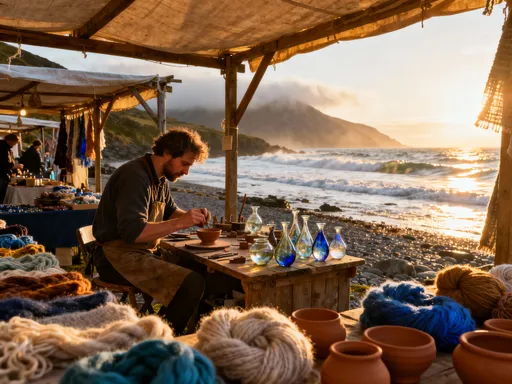
Anglesey is particularly known for its glass artists. Several studios offer live demonstrations where visitors can watch molten glass being blown into delicate vases, jewelry, or sculptural forms inspired by the sea. The colors—deep blues, stormy greys, and seafoam greens—mirror the ever-changing coastal light. Some studios allow guests to participate in short taster sessions, creating their own small glass paperweight under expert guidance. These experiences, while not inexpensive, offer a rare intimacy with a demanding craft and produce a souvenir that is truly one of a kind.
Further along the coast in towns like Conwy and Llandudno, the printing tradition thrives in family-run shops preserving vintage letterpress equipment. Here, artisans produce limited-edition cards, posters, and notebooks using hand-set type and hand-cranked presses, each piece bearing the subtle imperfections that mark it as human-made. These shops often double as small galleries, displaying local photography and illustrations that celebrate Welsh landscapes and folklore. Visiting them feels like stepping into a slower, more deliberate world—one where time is measured not in clicks but in careful strokes of ink.
For those planning a trip, the north coast is easily accessible by car or train, with frequent services from Chester and Birmingham. The North Wales Way scenic route provides a well-marked path, but the real treasures often lie just off the main road. Many studios are seasonal, with peak openings from April to October, so checking websites or calling ahead is advisable. Accommodations range from seaside B&Bs to countryside cottages, many of which display or sell local art themselves, extending the creative journey into the place you rest your head.
The Craft Fairs That Feel Like Festivals: Seasonal Markets Worth Timing Your Trip For
While year-round studios offer quiet inspiration, Wales’ seasonal craft fairs deliver something more electric—a fusion of art, music, food, and community that transforms shopping into celebration. These events are not mere markets but cultural gatherings, often held in historic town squares, castle grounds, or converted barns, where the air hums with live folk music, the scent of roasting chestnuts, and the laughter of families exploring together.
One of the most beloved is the Conwy Christmas Market, modeled on traditional European yuletide fairs but infused with Welsh character. Wooden chalets line the ancient town walls, selling hand-knitted woolens, carved wooden toys, and honey infused with heather from the surrounding hills. Local choirs sing carols in both Welsh and English, and children can write letters to Saint Dwynwen—the Welsh patron saint of lovers—instead of Santa. The atmosphere is warm, inclusive, and deeply rooted in place, offering a refreshing alternative to commercialized holiday shopping.
Another highlight is the Machynlleth Craft Fayre, held each summer in the historic market town at the foot of the Dyfi Valley. This event draws artists from across Wales and beyond, showcasing everything from hand-forged jewelry to botanical printmaking. What sets it apart is its emphasis on interaction: visitors can try weaving on a small loom, shape clay with a potter, or learn a few phrases in Welsh from a local volunteer. These hands-on experiences deepen engagement, making art accessible even to those who don’t consider themselves creative.
For the best experience, arriving early is strongly recommended. Popular stalls—especially those selling limited-run ceramics or hand-dyed yarns—can sell out by midday. Comfortable shoes, a reusable bag, and a sense of adventure are essential. While crowds can be large, especially during weekends, the layout of most fairs encourages slow wandering, with seating areas, food trucks offering local delicacies like cawl (a traditional lamb and vegetable stew), and shaded spots for children to play. These markets are not just shopping destinations—they are places to linger, connect, and feel part of something alive and growing.
West Wales’ Quiet Revolution: St Davids and the Pembrokeshire Art Trail
If North Wales offers drama and coastline, West Wales delivers serenity and spiritual depth. The Pembrokeshire Coast National Park, with its wild cliffs, sandy coves, and ancient stone churches, has long drawn seekers of beauty and solitude. In recent years, it has also become a haven for artists whose work responds directly to the landscape. The St Davids peninsula, home to Britain’s smallest city, is now dotted with small galleries, pop-up studios, and outdoor sculpture trails that invite quiet contemplation.
The Pembrokeshire Art Trail, held annually in September, opens the doors of over fifty artist studios to the public. This self-guided tour allows visitors to follow their curiosity from coastal painters in converted lighthouses to textile artists dyeing fabric with seaweed and lichen. Many of the works reflect the rhythms of nature—the ebb and flow of tides, the migration of birds, the changing light across the moorland. Oil paintings capture stormy skies over Ramsey Island, while driftwood sculptures echo the shapes left by the sea on the shore.
One of the trail’s greatest strengths is its lack of pretension. Artists welcome guests into their homes and workspaces with tea and conversation, sharing not just their techniques but their reasons for choosing this remote, windswept corner of Wales as their creative base. For many, it is the silence, the clean air, and the sense of timelessness that fuels their work. Visitors often leave not only with art but with a renewed sense of calm, as if a little of the landscape has settled into their bones.
A suggested one-day route begins in Fishguard, where the folk museum often hosts temporary art exhibits, then winds south through Solva—a picturesque harbor village with several active studios—before ending in St Davids. Navigation is straightforward: follow the coastal road, watch for handmade signs with paintbrush symbols, and allow time for unplanned stops. Cafés like The Secret Garden in Solva or The Hungry Monk in St Davids offer hearty soups, homemade cakes, and views of the water—perfect for recharging between visits. This is slow travel at its finest, where the journey matters as much as the destination.
How to Shop Like a Local: Ethics, Sustainability, and Meaningful Souvenirs
As interest in authentic experiences grows, so does the risk of imitation. In popular tourist areas, some shops sell items labeled “handmade in Wales” that are, in fact, mass-produced overseas and merely packaged locally. To shop with integrity, it helps to know what to look for. The most reliable indicator is direct interaction with the artist. If you can speak to the maker, see their tools, or watch them at work, you can be confident in the authenticity of the piece.
Asking simple questions can make all the difference. “Did you make this yourself?” “What materials did you use?” “Is this dyed with natural pigments?” These are not intrusive—they are welcomed by genuine artisans who take pride in their process. Many will happily explain how they source Welsh wool, fire their ceramics in wood-burning kilns, or design patterns based on ancient manuscripts. This transparency is part of the value.
Sustainability is another hallmark of true Welsh craft. Most small-scale makers prioritize eco-conscious practices—using reclaimed wood, non-toxic dyes, and minimal packaging. They produce in small batches, avoiding waste and honoring the time it takes to create something well. By choosing such items, shoppers support not only individual artists but a broader movement toward mindful consumption. It is a form of stewardship, aligning personal taste with environmental and ethical responsibility.
Conversely, red flags include overly perfect symmetry in handmade goods, unusually low prices for labor-intensive items, and vague or absent origin stories. If a “hand-knitted” scarf costs less than £10, it is almost certainly not made locally. Similarly, items that mimic Welsh symbols—like the lovespoon or red dragon—without cultural context may be decorative but lack depth. True souvenirs do not shout; they whisper. They invite you to learn, to remember, to care.
Bringing Wales Home: Turning Finds into Lasting Memories
A piece of Welsh art brought home is more than décor—it becomes a vessel of memory. A hand-thrown mug used every morning recalls the smell of clay and the warmth of a studio visit. A woven blanket draped over a sofa carries the colors of the coast and the story of the woman who made it. These objects anchor us to places we’ve loved, serving as quiet reminders of who we were on that journey and what we felt when we stood before the sea and chose to buy something real.
Displaying these finds thoughtfully enhances their meaning. A small watercolor can be framed simply and hung in a hallway, greeting you daily with a glimpse of Welsh light. A lovespoon, traditionally carved as a token of affection, can be placed on a shelf as a symbol of care and craftsmanship. Textiles—whether a tartan-style throw or a naturally dyed scarf—can be rotated with the seasons, bringing the feel of the Welsh landscape into your home year-round. Even a smooth piece of beach stone collected legally from a public shore can be displayed in a bowl, a silent ambassador of the coast.
Gifting such items carries special significance. A handmade journal given to a friend, inscribed with a note about where it was found, becomes a shared story. A ceramic bowl bought for a daughter echoes the legacy of passing down beauty and utility. These are not fleeting presents but heirlooms in the making, destined to be passed on with their stories intact.
In the end, shopping in Wales becomes a form of travel philosophy. It asks us to move slowly, to look closely, to listen to the people behind the products. It reminds us that beauty need not be loud, that value is not measured in price alone, and that the most unforgettable souvenirs are those that carry a soul. Let your next trip be guided not by checklists, but by curiosity. Let the art lead you. And when you return home, may your walls, shelves, and heart hold a little of Wales’ quiet magic.