You Won’t Believe Jakarta’s Art-Fueled Architectural Revolution
Jakarta isn’t just Indonesia’s bustling capital—it’s a living canvas where concrete meets creativity. I was blown away by how art has transformed its skyline, turning ordinary buildings into bold statements. From street murals that breathe life into forgotten walls to futuristic structures that defy convention, Jakarta’s architecture tells stories you can’t ignore. If you think this city is all traffic and towers, think again—something extraordinary is unfolding in plain sight.
Reimagining the Urban Landscape
Jakarta, a city of more than 10 million residents, has long been defined by its relentless pace and dense urban fabric. For decades, development prioritized function over form, with high-rises rising quickly to accommodate a growing population and expanding economy. Yet in recent years, a quiet but powerful shift has taken place. Urban planners, architects, and artists have begun to reimagine what the city’s built environment can be—not just a collection of buildings, but a dynamic expression of identity, culture, and community.
This transformation is rooted in a growing awareness that cities are not just places to live and work, but spaces to feel and experience. Jakarta’s skyline, once dominated by monotonous office blocks and residential towers, now features structures that speak through color, form, and symbolism. The shift reflects a broader global trend toward human-centered design, where architecture serves not only practical needs but also emotional and cultural ones. In Jakarta, this means integrating traditional motifs, local narratives, and public art into the very bones of buildings.
One of the most visible outcomes of this shift is the revitalization of neglected public spaces. Abandoned walls, underpasses, and even utility boxes have become canvases for artistic expression. What were once eyesores are now conversation starters, drawing pedestrians in and encouraging interaction with the urban environment. The city’s districts—from the historic core of Kota Tua to the leafy avenues of Menteng—are increasingly seen as interconnected galleries, each contributing to a larger narrative of renewal and resilience.
At the heart of this reimagining is a desire to reclaim Jakarta’s identity in the face of rapid globalization. While international architectural styles have left their mark, there is a growing emphasis on authenticity—on creating spaces that reflect Indonesian values, craftsmanship, and aesthetics. This doesn’t mean rejecting modernity, but rather blending it with heritage in ways that feel both fresh and familiar. The result is an urban landscape that is not only more visually engaging but also more meaningful to those who live in it.
The Rise of Street Art as Architectural Dialogue
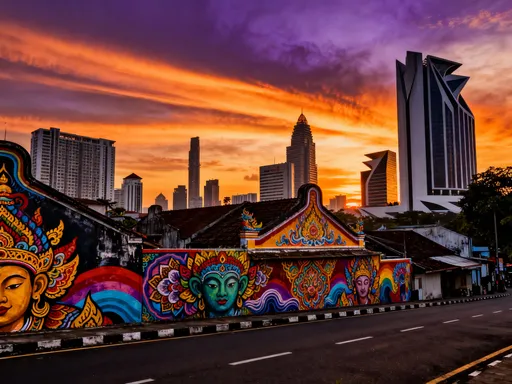
Street art has emerged as one of Jakarta’s most powerful tools for architectural transformation. Once dismissed as vandalism, graffiti and murals are now celebrated as vital components of the city’s visual language. Artists across Jakarta are using walls not just to make statements, but to enter into dialogue with the buildings themselves—transforming facades into dynamic storytellers that reflect local history, social issues, and cultural pride.
In districts like Kota Tua, where colonial-era buildings stand alongside modern shops and cafes, murals serve as bridges between past and present. A single wall might depict a traditional Javanese dancer alongside a modern cityscape, symbolizing the continuity of culture amid change. Elsewhere, in neighborhoods such as Menteng and Senopati, large-scale installations feature vibrant geometric patterns inspired by batik and ikat textiles, weaving Indonesia’s rich artistic heritage into the urban fabric.
What sets Jakarta’s street art movement apart is the level of collaboration between artists, communities, and city officials. Unlike in cities where graffiti is strictly policed, Jakarta has embraced a more inclusive approach. Initiatives like the annual Jakarta Street Art Festival have provided legal spaces for artists to create, while local governments have commissioned murals to revitalize underused areas. This shift in policy reflects a growing understanding that public art enhances safety, fosters civic pride, and boosts tourism.
The integration of street art into architecture is not merely decorative—it is functional. Murals can redirect foot traffic, highlight pedestrian pathways, and even reduce urban heat by covering dark concrete surfaces with reflective paint. In some cases, entire buildings have been redesigned around a central artwork, with windows, balconies, and rooflines arranged to frame the mural like a picture. This synergy between structure and image creates a sense of harmony, where art and architecture are no longer separate disciplines but parts of a unified vision.
Iconic Buildings Where Art and Structure Collide
Jakarta is home to several architectural landmarks where artistic intention is woven into every line and curve. These buildings go beyond utility—they are cultural statements, designed to inspire and educate. Among the most notable is the National Gallery of Indonesia, a striking structure located in Central Jakarta. Its clean, modern façade is accented with traditional Indonesian motifs, including carved wooden panels and stone reliefs that echo ancient temple designs. The building itself becomes a piece of art, housing exhibitions while also serving as a testament to the nation’s creative spirit.
Inside, the gallery’s layout encourages exploration, with open atriums and skylights that flood the space with natural light. The interplay of light and shadow changes throughout the day, creating a living artwork that evolves with time. Exhibits often feature contemporary Indonesian artists whose work responds to urban life, making the gallery not just a container for art but a participant in the city’s cultural conversation.
Another landmark is the Jakarta History Museum, housed in a former city hall building from the Dutch colonial era. While the structure retains its 18th-century European architecture, it has been reinterpreted through modern interventions. Murals inside depict key moments in Jakarta’s past, from indigenous settlements to independence movements, turning the museum into a narrative journey. The contrast between old and new—between colonial symmetry and expressive contemporary art—creates a powerful dialogue about memory and identity.
These buildings serve as cultural anchors in a city that is constantly changing. They offer residents and visitors alike a sense of continuity, reminding them that progress does not require erasing the past. Instead, Jakarta’s most iconic structures demonstrate how architecture can honor tradition while embracing innovation. By integrating art into their very foundations, they set a standard for what public buildings can and should be.
Modern Marvels: Futuristic Designs Shaping the Skyline
As Jakarta continues to grow, its skyline is being reshaped by a new generation of architectural marvels—structures that blend cutting-edge engineering with bold artistic vision. These buildings are not just functional office spaces; they are sculptural forms that challenge conventional ideas of what a skyscraper should look like. Among the most anticipated is the Pertamina Energy Tower, a supertall skyscraper designed to be both energy-efficient and visually striking.
Its aerodynamic shape, inspired by traditional Indonesian weaving patterns, reduces wind resistance while creating a distinctive silhouette against the sky. The tower’s façade incorporates photovoltaic glass, allowing it to generate solar power while reflecting sunlight in ever-changing patterns. At night, LED lighting transforms the building into a glowing beacon, with dynamic displays that respond to weather, time, or cultural events. This fusion of sustainability and artistry positions the tower as a symbol of Jakarta’s forward-thinking ambitions.
Another standout is Wisma 46, one of Indonesia’s tallest buildings, located in the Sudirman Central Business District. While primarily a commercial tower, its design includes artistic elements that elevate it beyond mere functionality. The exterior features a series of vertical fins that resemble brushstrokes, giving the building a sense of movement and rhythm. At sunset, these fins cast intricate shadows across the façade, creating a natural light show visible from miles away.
Inside, the lobby doubles as an art gallery, hosting rotating exhibitions by Indonesian sculptors and painters. This integration of art into corporate architecture reflects a growing trend among developers to create spaces that inspire employees and visitors alike. These modern marvels are not just reshaping the skyline—they are redefining what it means to build in a city that values both innovation and beauty.
Hidden Gems: Offbeat Art Spaces in Unexpected Corners
Beyond the well-known landmarks and tourist trails, Jakarta harbors a network of intimate, lesser-known art spaces that reveal the city’s creative soul. These hidden gems—often tucked into old warehouses, converted homes, or quiet alleyways—offer a more personal and immersive experience. One such space is Cemeti – Institute for Art and Society in Cikini, a pioneering art collective that has supported Indonesian artists for over three decades. Housed in a renovated colonial-era house, the space blends historical architecture with contemporary installations, creating a dialogue between past and present.
Visitors to Cemeti encounter not just visual art, but performances, workshops, and community discussions, making it a living hub of cultural exchange. The building’s wooden floors creak underfoot, and sunlight filters through louvered windows, casting soft patterns on the walls. Every detail—from the texture of the plaster to the placement of a sculpture—feels intentional, inviting slow, contemplative engagement.
Another offbeat destination is Rua Space, an adaptive reuse project in a former printing warehouse. The raw concrete walls and exposed steel beams have been preserved, celebrating the building’s industrial past while making room for bold new expressions. Murals cover entire walls, and sculptures are integrated into stairwells and courtyards, turning the entire structure into an immersive artwork. Events here often include live music, poetry readings, and pop-up markets, drawing a diverse crowd of locals and curious travelers.
These spaces matter because they operate outside the commercial mainstream, prioritizing creativity over profit. They offer artists freedom to experiment and audiences the chance to connect with art in unexpected ways. For visitors willing to wander beyond the usual routes, these hidden corners reveal a Jakarta that is thoughtful, intimate, and deeply human.
How to Experience Jakarta’s Art-Architecture Fusion Like a Local
To truly appreciate Jakarta’s art-fueled architectural revolution, one must move beyond the tourist checklist and embrace a more deliberate, sensory-rich way of exploring. The best time to begin is early in the morning, when the city is still cool and the light is soft—ideal for photographing murals and observing how shadows play across textured façades. Start in Kota Tua, where the contrast between old and new is most vivid, and follow a walking route that leads through Fatahillah Square, along Jalan Pintu Besar, and into the artsy enclave of Hayam Wuruk.
Use digital tools to enhance your journey. Apps like Google Maps and Jakarta Tourism’s official guide include curated routes highlighting public art and architectural landmarks. Some even offer augmented reality features, allowing you to see how a building looked in the past or view digital overlays of proposed future designs. These tools help contextualize what you’re seeing, turning a simple walk into an educational experience.
Along the way, pause at local coffee shops like Kopi Pahit or Toko Tugu, where you can sip traditional Javanese coffee while admiring the interior design—often a blend of vintage furniture, hand-painted tiles, and original artwork. These spaces are more than refreshment stops; they are extensions of Jakarta’s creative ecosystem, supporting local artisans and designers.
For a deeper dive, consider joining a guided walking tour led by local architects or artists. These small-group experiences provide insider knowledge about the stories behind specific murals, the challenges of urban development, and the vision behind new buildings. Many guides are passionate advocates for the city’s transformation and can point out details you might otherwise miss—like a hidden symbol in a façade or the meaning behind a color palette. By engaging with the city through these personal, informed lenses, you move from observer to participant in Jakarta’s artistic evolution.
Why This Movement Matters Beyond Aesthetics
Jakarta’s architectural renaissance is about more than beauty—it is a reflection of deeper societal shifts. In a city often criticized for congestion, pollution, and inequality, the rise of art-integrated design represents a form of quiet resistance. It is an assertion that urban life can be not only functional but also meaningful, that public spaces should inspire rather than merely accommodate.
This movement speaks to a growing sense of urban pride. When communities see their histories and cultures reflected in the buildings around them, they develop a stronger connection to their environment. Murals depicting local heroes, buildings shaped by traditional patterns, and galleries in repurposed homes—all of these acts of creativity affirm identity in a globalized world where homogenization is a constant threat.
Moreover, the fusion of art and architecture fosters inclusivity. Public art is free and accessible to all, regardless of income or background. A child playing near a colorful mural, a commuter pausing to admire a sculptural façade, a tourist sketching a historic building—these small moments of engagement build a shared sense of ownership over the city. They remind us that urban spaces belong not just to developers or governments, but to the people who live in them.
Looking ahead, Jakarta’s art-fueled architectural revolution offers a model for other rapidly growing cities. It shows that development does not have to come at the cost of culture, that progress and preservation can coexist. As more cities face the challenges of climate change, population growth, and cultural erosion, Jakarta’s example reminds us that creativity is not a luxury—it is a necessity.
To the traveler, this transformation invites a new way of seeing. Instead of rushing through the city, look closer. Notice the brushstroke on a wall, the curve of a rooftop, the story behind a sculpture. In Jakarta, every building has something to say. And if you take the time to listen, you’ll discover that beneath the steel and concrete, paint and glass, there beats the heart of a city learning to express itself anew.