You Won’t Believe These Hidden Cultural Gems in Muscat
Muscat isn’t just about sunlit beaches and desert winds—it’s a city whispering stories through its cultural spaces. I wandered off the tourist trail and found intimate art galleries, centuries-old heritage houses, and local theaters pulsing with Omani identity. These aren’t the usual postcard spots, but places where tradition breathes freely. If you're craving authentic connection over checklist tourism, Muscat’s niche cultural venues will redefine your idea of travel. Away from the grandeur of palaces and souks designed for visitors, there exists a quieter rhythm—one shaped by generations of seafarers, artisans, and storytellers. This is a city that reveals itself slowly, to those willing to look beyond the surface. Here, culture isn’t performed; it’s lived. And for travelers seeking depth, meaning, and human connection, Muscat offers an experience unlike any other in the Gulf.
Beyond the Sultan Qaboos Grand Mosque
Most travelers arrive in Muscat with one destination in mind: the Sultan Qaboos Grand Mosque. Its grand dome, intricate tilework, and the world’s second-largest hand-loomed carpet draw admiration from around the globe. Yet while the mosque is undoubtedly magnificent, focusing solely on such landmarks risks reducing a rich, layered culture to a series of photo opportunities. The true soul of Muscat lies not only in its monuments but in the quieter corners where daily life unfolds and heritage is preserved with care and pride.
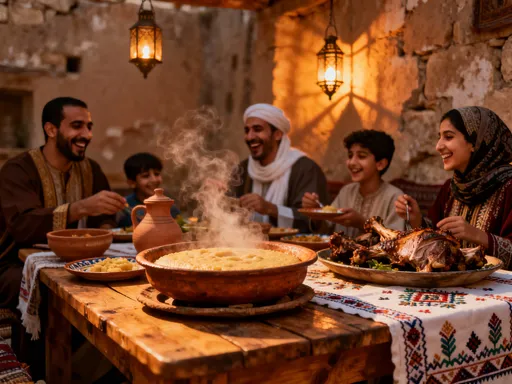
Just a short walk from the mosque’s marble courtyards, narrow alleyways wind through older neighborhoods where families gather on low stools outside homes adorned with carved wooden doors. These are not curated for tourism, but they offer a more intimate glimpse into Omani life. Children laugh as they return from school, and the scent of frankincense drifts from open windows. It’s in these unassuming moments that Muscat reveals its warmth and depth. For the thoughtful traveler, shifting focus from spectacle to substance means discovering spaces where culture is not on display, but in motion.
Exploring beyond the well-trodden path also supports a more sustainable model of tourism. When visitors distribute their attention across lesser-known sites, local communities benefit directly. Small galleries, family-run museums, and neighborhood cultural centers often rely on visitor engagement to sustain their work. By choosing to spend time in these places, travelers contribute to cultural preservation in a meaningful way. This kind of tourism doesn’t just enrich the visitor—it strengthens the very fabric of the communities they come to know.
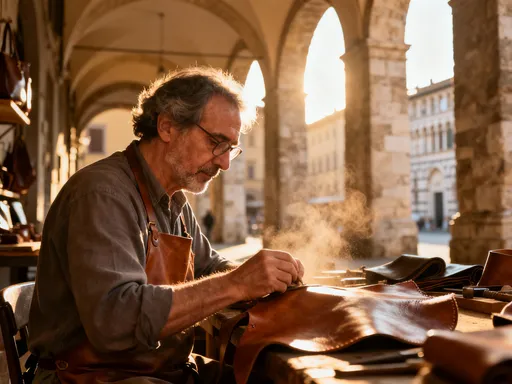
Moreover, stepping away from mass-appeal attractions allows for deeper personal reflection. Without crowds or timed entry tickets, one can move at a slower pace, observe more closely, and listen more attentively. It’s in these quiet exchanges—a shared cup of kahwa, a craftsman explaining his tools—that real understanding begins to take root. Muscat invites not just sightseeing, but seeing. And what one sees, when looking beyond the obvious, is a culture that values hospitality, history, and harmony in equal measure.
Bait Al Zubair – A Portal to Omani Heritage
Nestled in the historic Muttrah district, Bait Al Zubair stands as a quiet testament to Oman’s enduring legacy. Unlike government-run museums, this private institution was established by the Zubair family to preserve and share the nation’s heritage through personal passion rather than policy. The museum occupies a traditional Omani house, its coral stone walls and wooden latticework offering a glimpse into domestic architecture long before modern construction reshaped the cityscape. From the moment one steps inside, the air carries a sense of reverence—a feeling that history is not locked behind glass, but present in every object on display.
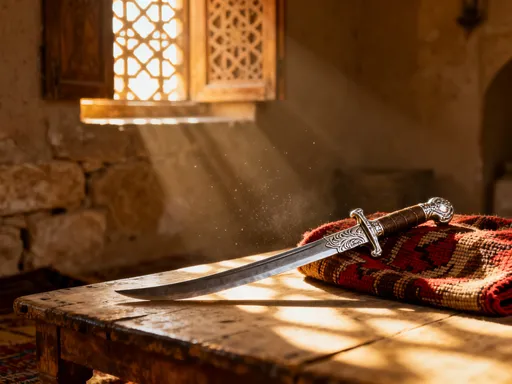
The collection spans centuries, featuring everything from ceremonial daggers and tribal jewelry to ancient fishing tools and royal regalia. Each item is accompanied by detailed descriptions, often including personal anecdotes or historical context that brings the past vividly to life. One exhibit showcases traditional Omani wedding attire, with heavily embroidered dresses and silver belts that signify regional identity and social status. Another displays navigational instruments used by Omani sailors who once commanded trade routes across the Indian Ocean, underscoring the country’s seafaring legacy.
What makes Bait Al Zubair exceptional is its balance between authenticity and accessibility. The curators have avoided the trap of over-staging or dramatizing history. Instead, the presentation feels respectful and grounded, allowing visitors to form their own emotional connections. Families often bring children here, using the exhibits as teaching tools about ancestry and national pride. School groups gather in the courtyard for guided tours, their questions met with patient explanations from knowledgeable staff who clearly take pride in their work.
For adult visitors, especially women between the ages of 30 and 55 who may be traveling with family or seeking meaningful solo experiences, Bait Al Zubair offers a rare opportunity to engage with culture on a personal level. It’s not about ticking off a list, but about pausing to reflect on how traditions shape identity. The museum also includes a small gift shop featuring locally made crafts, including handwoven textiles and frankincense products, allowing visitors to take home a piece of Oman’s living heritage. By supporting such institutions, travelers help ensure that these stories continue to be told for generations to come.
The Art Scene in Ruwi’s Hidden Galleries
If Muttrah whispers history, Ruwi shouts modernity. This bustling commercial district, often overlooked by tourists, has quietly become a hub for contemporary Omani art. Tucked between spice stalls and textile shops, small galleries operate with quiet determination, giving voice to a new generation of artists who blend tradition with innovation. These are not glossy commercial spaces, but intimate venues where creativity thrives in close-knit communities. For those willing to explore, Ruwi offers a vibrant counterpoint to Muscat’s more formal cultural offerings.
One such space is the Ruwi Art Collective, a volunteer-run gallery that hosts rotating exhibitions featuring local painters, sculptors, and mixed-media artists. Recent shows have explored themes like environmental change in the Gulf, the role of women in Omani society, and the tension between urban development and cultural preservation. The artwork is bold and thought-provoking, often incorporating traditional materials like henna, palm fronds, and indigo dyes in unexpected ways. Visitors are encouraged to speak with the artists during opening nights, creating a rare dialogue between creator and observer.
Another notable venue is Al Makan Studio, a nonprofit arts center that offers workshops in calligraphy, ceramic painting, and textile design. These sessions are open to both locals and tourists, fostering cross-cultural exchange in a hands-on setting. A mother from Salalah might teach a visitor from Europe how to create geometric patterns inspired by Islamic art, while a young Omani man experiments with digital animation based on folk tales. These interactions highlight how art serves not just as expression, but as connection.
What stands out in Ruwi’s art scene is its accessibility. There are no entry fees, no velvet ropes, and no pressure to behave in a certain way. Visitors are welcomed as guests, not customers. This openness reflects a broader cultural value in Oman—hospitality as a form of inclusion. For women travelers who value authenticity and community, these spaces offer a refreshing alternative to impersonal tourist attractions. They also demonstrate that cultural evolution is not a rejection of the past, but a continuation of it in new forms. In Ruwi, tradition doesn’t fade—it transforms.
Bait Al Baranda: Where History Meets Urban Curiosity
Perched on a hill in Old Muscat, Bait Al Baranda offers more than just panoramic views of the harbor—it offers perspective. Once the residence of British diplomatic staff during the mid-20th century, this restored mansion has been transformed into a dynamic cultural center that bridges Oman’s colonial-era encounters with its enduring national identity. The building itself tells a story: its coral stone walls, arched windows, and central courtyard reflect a fusion of Arab and colonial architectural styles, symbolizing the complex layers of Omani history.
Today, Bait Al Baranda hosts a rotating program of photography exhibitions, public lectures, and cultural festivals. One recent exhibit documented the daily lives of fishermen in coastal villages, capturing the resilience and rhythm of communities often unseen by tourists. Another showcased archival images of Muscat in the 1950s, allowing visitors to witness the city’s transformation over decades. These visual narratives do more than inform—they invite empathy, encouraging viewers to see Oman through the eyes of its people.
The center also serves as a venue for community dialogue. Monthly heritage talks bring together historians, elders, and young researchers to discuss topics ranging from Omani shipbuilding techniques to the role of poetry in national identity. These events are open to the public, and many attract families who come to learn together. For older women travelers, particularly those interested in intergenerational knowledge and storytelling, these gatherings offer a profound sense of connection. There’s a quiet dignity in watching a grandmother explain to her granddaughter the significance of a traditional song, or a retired teacher recounting memories of school life in pre-oil Oman.
Bait Al Baranda also plays a role in youth engagement. During school holidays, the center runs creative camps where children create art inspired by Omani legends or design models of historic forts. These programs instill cultural pride from an early age, ensuring that heritage is not just preserved, but lived. For visitors, observing these activities provides insight into how Oman nurtures its identity across generations. The space feels alive—not like a museum frozen in time, but like a living room for the community, where history is not studied, but shared.
Royal Opera House Muscat – More Than Just Opera
No discussion of Muscat’s cultural landscape would be complete without mentioning the Royal Opera House, a gleaming white structure that stands as a beacon of artistic excellence. While internationally recognized for hosting world-class opera and ballet performances, the venue’s impact extends far beyond the stage. It serves as a cultural anchor, nurturing local talent, promoting regional music, and offering educational programs that reach deep into the community. For many visitors, attending a performance here is a highlight—but the Opera House’s true significance lies in its role as a bridge between global artistry and Omani tradition.
Weekly Arabic music nights feature renowned musicians from across the Gulf and the wider Arab world, performing classical and contemporary compositions in intimate concert settings. These events draw diverse audiences, from young couples to older families, all united by a love of melody and heritage. The acoustics of the main auditorium—designed to replicate the warmth of natural sound—are nothing short of breathtaking, making every note resonate with emotional clarity. Even those unfamiliar with opera or classical music often find themselves moved by the sheer beauty of the space and the performances it hosts.
Equally important are the Opera House’s outreach initiatives. The Youth Orchestra Program, for instance, provides free music education to Omani children, many of whom go on to perform on the same stage as international stars. Dance academies offer training in both traditional Omani dance and global styles, fostering artistic versatility. These programs reflect a national commitment to cultural development that values both preservation and innovation. For visiting families, attending a youth performance can be a deeply inspiring experience, offering hope and pride in the next generation’s creative potential.
Visitors are welcome to take guided tours of the Opera House even when no performance is scheduled. These tours include behind-the-scenes access to rehearsal rooms, costume workshops, and the grand foyer, where intricate Islamic geometric patterns adorn the walls and ceilings. The guides, often former performers or arts administrators, share personal stories that bring the space to life. For women travelers who appreciate elegance, craftsmanship, and the transformative power of the arts, the Royal Opera House is not just a destination—it’s a testament to what culture can achieve when it is valued and invested in.
Navigating Cultural Spaces: Practical Tips for Respectful Exploration
Engaging with Muscat’s cultural spaces is a privilege, and doing so with respect enhances the experience for everyone involved. Simple gestures—dressing modestly, speaking quietly, and asking permission before photographing people—go a long way in showing appreciation for local customs. In Oman, modesty is not just a dress code; it’s a sign of dignity and respect. Women are advised to wear long skirts or pants and tops with sleeves, while men should avoid shorts in cultural venues. A light scarf can be useful for covering shoulders when needed, especially in older buildings where air conditioning may be limited.
Photography policies vary by location. While many galleries and museums allow photos for personal use, some prohibit flash or restrict filming. At Bait Al Baranda and Bait Al Zubair, photography is generally permitted in common areas but discouraged during private events or lectures. Always look for posted signs or ask a staff member before raising your camera. When photographing people, especially elders or artisans at work, a smile and a polite nod can open the door to permission—and sometimes, a conversation.
Visiting hours should also be respected. Most cultural sites in Muscat are closed on Fridays, the Islamic day of prayer, and may have reduced hours on Thursdays. Planning visits for Saturday through Wednesday ensures access to full programming. Arriving early in the day not only avoids the heat but increases the chance of meaningful interactions, as staff and artists are often more available in the mornings. Booking guided tours in advance, particularly for the Royal Opera House, is recommended to secure preferred times.
Engagement should be guided by curiosity, not intrusion. Instead of treating cultural spaces as photo backdrops, approach them as invitations to learn. Ask open-ended questions like “What does this piece mean to you?” or “How was this craft passed down?” These small acts of genuine interest foster connection and mutual respect. For women travelers, who often serve as cultural ambassadors within their families, modeling this kind of thoughtful engagement sets a powerful example for children and companions alike.
Why Niche Cultural Travel Matters – A Final Reflection
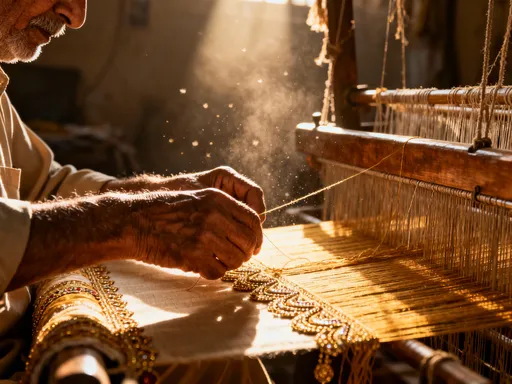
In an age of fast travel and instant gratification, Muscat’s hidden cultural gems remind us that the most meaningful journeys are often the slowest. They ask not for our applause, but our attention. They do not dazzle with spectacle, but invite us to listen—to the whisper of silk in a weaving loom, the hum of a qanun string, the quiet pride in an elder’s voice recounting a forgotten tale. These moments, fleeting and unscripted, are the ones that linger long after the trip ends.
Choosing to explore niche cultural spaces is not just a travel preference; it is an ethical choice. It supports local economies, preserves intangible heritage, and fosters cross-cultural understanding in a world that often feels divided. For women in their 30s to 50s, many of whom balance family responsibilities with a desire for personal growth, these experiences offer both enrichment and renewal. They provide space to reflect, to reconnect with what matters, and to model curiosity and respect for younger generations.
Muscat does not reveal itself to those who rush. It rewards those who pause, who walk softly, who seek not to conquer a destination, but to understand it. In doing so, we do not just see a place—we feel it. And in feeling it, we carry a piece of it with us, not in souvenirs, but in memory, in empathy, in the quiet certainty that we have touched something real. That is the power of cultural travel at its finest. That is the gift Muscat offers, to those who are ready to receive it.