You Won’t Believe What Pisa Hides Beyond the Leaning Tower
When you think of Pisa, the Leaning Tower probably steals the spotlight—but slow down, and you’ll discover so much more. I spent a week wandering its cobblestone streets, sipping espresso like a local, and uncovering specialty products you won’t find in tourist shops. From handmade paper to aged pecorino, Pisa’s true charm lies in its craftsmanship and quiet corners. This isn’t just a pit stop—it’s a sensory journey waiting to be savored.
Rethinking Pisa: More Than a Photo Op
Pisa is often dismissed as a one-day destination, a quick stop on the Florence-Pisa-Lucca circuit where travelers rush from train station to tower, snap a few photos, and move on. But reducing Pisa to a single monument does a disservice to its layered identity. The city pulses with rhythms that only reveal themselves over time—rhythms of daily life, artisan labor, and culinary tradition. When you allow yourself to linger, Pisa transforms from a postcard into a living narrative. Families gather at neighborhood piazzas in the evening, shopkeepers greet regulars by name, and the Arno River reflects not just architecture, but the quiet dignity of a city that has thrived for centuries beyond the tilt of one famous bell tower.
The shift from sightseeing to experiencing begins with intention. Instead of measuring your visit in attractions checked off, consider measuring it in moments: the first sip of morning coffee at a tucked-away bar, the sound of a cobbler’s hammer from an open workshop, the warmth of a baker handing you a still-warm schiacciata. These are the details that anchor memory. Pisa invites you to trade efficiency for immersion, to replace the checklist with curiosity. And in doing so, you begin to see how deeply culture is woven into the fabric of ordinary life. The Leaning Tower may draw the crowds, but it’s the city’s quieter corners that offer lasting resonance.
Slow travel in Pisa isn’t about doing less—it’s about noticing more. It means walking without a map sometimes, letting yourself get slightly lost in the network of narrow streets that branch off from the main thoroughfares. It means sitting on a bench near the river and watching the light change over the rooftops. This kind of presence allows you to witness the city as locals do: not as a spectacle, but as home. When you stop rushing, Pisa reveals its depth—one quiet revelation at a time.
The Art of Slowing Down: How Pisa Teaches Presence
Mornings in Pisa unfold at a gentle pace. The city wakes gradually, with shop shutters clattering open and the first espresso machines hissing to life in corner cafés. This is the perfect time to practice presence—to sit at a small table outside a neighborhood bar, order a cappuccino, and simply observe. Unlike the tourist-heavy zones near Piazza dei Miracoli, residential districts like San Francesco and San Martino offer a more authentic rhythm. Here, elderly women carry woven baskets to the market, children pedal to school on rusting bikes, and neighbors exchange pleasantries across balconies. There’s a quiet poetry in these routines, a sense of continuity that feels grounding.
By avoiding the early-morning tour groups that flock to the Leaning Tower, you open yourself to unexpected encounters. I found myself sharing a table with an artist who sketched the façade of San Nicola Church while explaining how light plays across its Romanesque arches at different times of day. Another morning, a retired teacher struck up a conversation about Pisa’s maritime history while we waited for fresh cornetti to come out of the oven. These moments didn’t happen because I planned them—they emerged because I was present, unhurried, and open to connection.
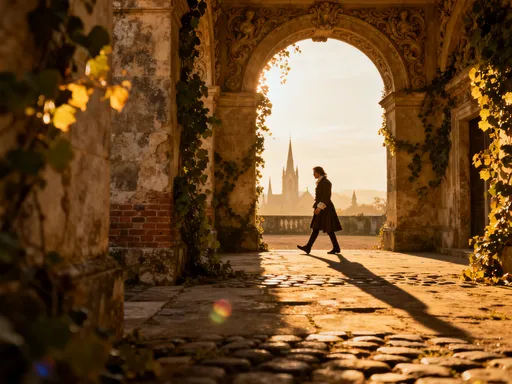
The sensory experience of Pisa deepens when you slow down. The chime of church bells marks the hours like a heartbeat. The scent of rosemary and wood-fired ovens drifts from open kitchen windows. Your footsteps echo on centuries-old stone, each step a reminder that you’re walking the same paths as generations before. There’s a meditative quality to moving through the city at a human pace, allowing your attention to settle on small details: the texture of weathered brick, the way ivy climbs an ancient wall, the laughter of children playing in a hidden courtyard. Pisa doesn’t demand your attention—it offers it, gently, to those who are willing to receive it.
Local Markets as Cultural Windows
At the heart of Pisa’s daily life lies the Mercato delle Vettovaglie, a bustling indoor market that has served the city since the 19th century. More than just a place to buy food, it’s a living archive of Tuscan culture. Open every morning except Sunday, the market fills with the vibrant energy of vendors arranging pyramids of seasonal produce, hanging cured meats, and displaying wheels of cheese under glass. The air hums with conversation, the clatter of baskets, and the occasional burst of laughter. This is where Pisans do their shopping—and where visitors can witness the region’s culinary soul in action.
Walking through the market, you’ll find artichokes in spring, plump figs in late summer, and porcini mushrooms after autumn rains. Vendors proudly display regional specialties: finocchiona (fennel-studded salami), lardo di Colonnata (cured pork fat marbled with herbs), and fresh ricotta still warm from the morning’s milking. Many of the stall owners have worked here for decades, some taking over from parents or grandparents. They remember regular customers, offer cooking tips, and often let you taste before you buy. Engaging with them isn’t transactional—it’s relational. When you ask about a particular cheese or how to prepare a local vegetable, you’re not just gathering ingredients; you’re participating in a tradition.
Shopping at the Mercato delle Vettovaglie supports authenticity in more ways than one. It keeps small-scale producers in business, preserves regional foodways, and connects travelers to the community. Unlike supermarket chains or tourist-oriented shops, this market reflects real consumption patterns, seasonal cycles, and local tastes. It’s also a place where language barriers dissolve over shared appreciation—pointing at a bright orange persimmon, smiling, and miming eating it can lead to a lively exchange and even an impromptu recipe. The market teaches you to eat with the land, to respect seasonality, and to value the human hands behind every product.
Handmade in Pisa: The Legacy of Artisan Craft
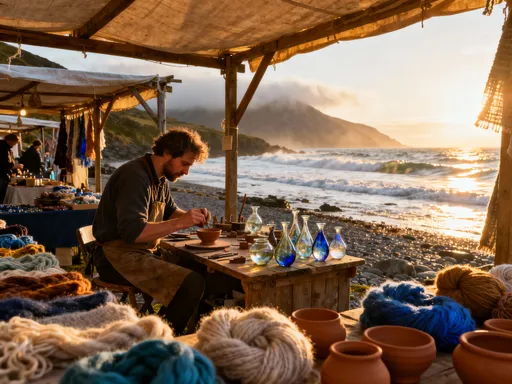
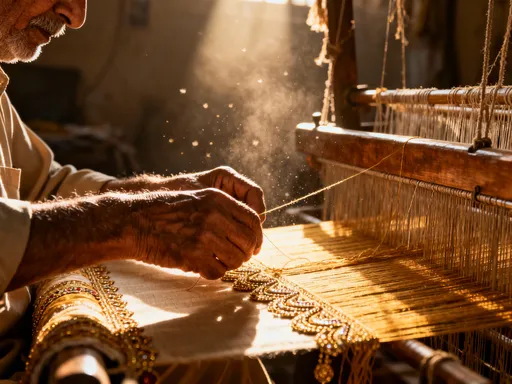
One of Pisa’s best-kept secrets is its tradition of handmade paper, particularly a delicate craft known as carta pesta. Though less famous than Florence’s marbled paper, Pisa’s paper-making heritage thrives in small studios tucked into quiet alleyways. These workshops, often family-run, use techniques passed down for generations, turning pulp into sheets of art. The process is slow and meticulous: fibers are soaked, beaten, pressed, and dried by hand, resulting in paper that bears the subtle marks of its making. Some artisans embed flower petals, gold leaf, or natural dyes, transforming each sheet into a unique object of beauty.
Visiting one of these studios is like stepping into a sanctuary of patience and precision. I met a fourth-generation paper-maker near the Church of San Michele dei Scalzi, whose family has been crafting paper since the 1880s. He showed me how they source cotton and linen from local textile remnants, creating a sustainable cycle that honors both tradition and ecology. His workshop doubles as a small gallery, where visitors can purchase notebooks, stationery, or framed pieces. Buying directly from such artisans means supporting a vanishing craft and taking home something with soul—a stark contrast to mass-produced souvenirs stamped with the Leaning Tower.
The value of handmade paper goes beyond aesthetics. It represents a philosophy of care, attention, and continuity. Each sheet tells a story of time, skill, and intention. Writing a letter on such paper, or giving it as a gift, becomes a meaningful act. In a world of digital overload and disposable goods, Pisa’s paper-makers remind us of the beauty of slowness and the dignity of craftsmanship. Their work is not just a product—it’s a quiet resistance to the fast, the generic, the forgettable.
Taste of Tuscany: Specialty Foods Worth Savoring
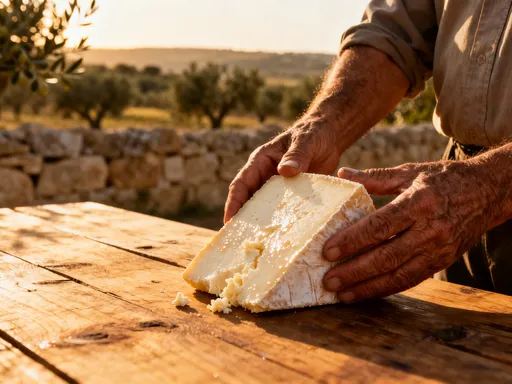
Pisa’s culinary identity is rooted in simplicity, seasonality, and terroir. The region’s food doesn’t rely on elaborate techniques but on the quality of ingredients—olives pressed from nearby groves, wheat grown in the Pisan countryside, sheep’s milk from pastures rich with wild herbs. One of the most distinctive local products is pecorino cheese aged in wine cellars. Unlike the sharper varieties found elsewhere, Pisa’s version develops a complex, nutty flavor from slow maturation in cool, humid environments where red wine barrels once stood. The subtle influence of the wooden casks imparts a faint earthiness, making each bite a reflection of place and time.
Another must-try is Tuscan olive oil—bright green, peppery, and fragrant with notes of artichoke and grass. Small producers often sell directly at markets or through agriturismi in the surrounding hills. Tasting it fresh, drizzled over warm bread with a pinch of sea salt, is a revelation. Equally emblematic is cecina, a chickpea flatbread baked in wood-fired ovens until golden and crisp at the edges. Originally a peasant food, it’s now a beloved street snack, best enjoyed hot from the pan with a sprinkle of black pepper and rosemary. I found the most authentic version at a tiny oven near the Ponte di Mezzo, where a woman has been making it the same way for over forty years.
These foods are more than sustenance—they are narratives of land and labor. The olive groves that stretch toward the coast have been cultivated for centuries. The sheep that graze in the hills contribute to a cheesemaking tradition older than the Leaning Tower itself. Even the chickpea flour used in cecina speaks to a history of resourcefulness, turning humble legumes into something delicious and enduring. When you eat in Pisa with intention, you’re not just feeding your body; you’re connecting with a culture that values quality, patience, and the rhythms of nature.
Hidden Workshops and Slow Fashion
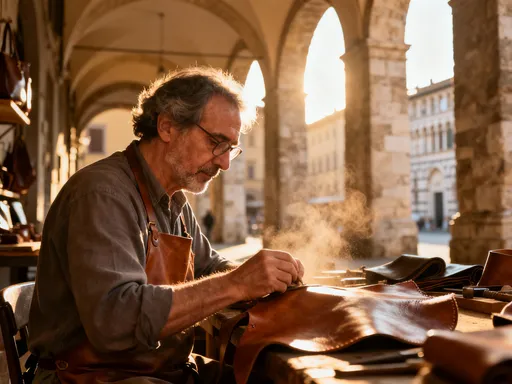
Beyond food and paper, Pisa is home to a quiet revolution in leather craftsmanship. Scattered through the city’s backstreets are small ateliers where artisans hand-stitch bags, wallets, and belts using vegetable-tanned hides. These workshops are often unmarked, their presence revealed only by the faint scent of leather and the rhythmic tap of a hammer shaping a buckle. Unlike the leather goods sold in tourist-heavy zones—often imported and mass-produced—these pieces are made locally, with care and individuality. Each item bears the imprint of its maker: slight variations in stitching, unique patinas, and custom details that evolve with use.
I visited a third-generation leather workshop near Piazza Garibaldi, where a craftsman named Marco showed me how they source hides from ethical tanneries in Tuscany. The tanning process uses natural tannins from chestnut and oak, avoiding harsh chemicals and allowing the leather to age beautifully over time. He explained that a single bag can take up to ten hours to complete, with every cut, stitch, and finish done by hand. “This isn’t fast fashion,” he said. “It’s made to last, to become part of your life.” His workshop offers custom orders, letting clients choose colors, linings, and hardware—a level of personalization impossible in factory-made goods.
Engaging with these artisans requires respect and curiosity. It’s not about haggling or rushing through a purchase, but about understanding the process and the person behind it. Many welcome visitors to watch them work, answer questions, and even try their hand at simple stitching. This kind of interaction transforms shopping into a meaningful exchange. When you buy a handcrafted leather item in Pisa, you’re not just acquiring an object—you’re supporting a tradition, honoring skill, and investing in something that will age with grace. In a world of disposable trends, that’s a radical act of care.
Practical Magic: How to Travel Pisa Like a Local
To truly experience Pisa, timing and approach matter. Visit the Mercato delle Vettovaglie between 8:00 and 10:30 a.m., when the produce is freshest and the atmosphere most lively. Arrive at the Leaning Tower early in the morning or late in the afternoon to avoid crowds—better yet, admire it from a distance while sitting by the Arno with a picnic. Stay in a family-run guesthouse in a residential neighborhood like San Francesco or Sant’Antonio, where you’ll hear Italian spoken in doorways and see laundry hanging from balconies. These areas are walkable to the center but offer a more authentic sense of daily life.
For a deeper immersion, explore on foot using routes that bypass the main tourist paths. Start at the Church of Santa Maria della Spina, a Gothic jewel on the riverbank, then follow the Arno west toward the old city walls. You’ll pass quiet piazzas, artisan workshops, and local bars where Pisans linger over aperitivi. Another rewarding walk begins at the Camposanto and loops through the San Martino district, where you’ll find bakeries, bookshops, and the occasional hidden courtyard blooming with jasmine.
To extend your journey, consider day trips to nearby villages. San Giuliano Terme, just ten minutes by train, offers thermal baths and a charming market square. The hilltop town of Calci, home to a stunning Charterhouse monastery, provides panoramic views and a peaceful retreat. These excursions complement Pisa’s urban rhythm with rural serenity, enriching your understanding of the region. Most importantly, speak slowly and kindly, even if your Italian is limited. A simple “buongiorno” or “grazie” goes a long way. Smile, listen, and let curiosity guide you. Pisa rewards those who travel not just with their eyes, but with their hearts.
Pisa isn’t just a monument—it’s a living, breathing expression of Tuscan soul. By slowing down, you trade snapshots for stories, souvenirs for connections, and checklists for meaning. The real treasure isn’t in what you see, but in what you discover when you finally stop rushing.