You Gotta Taste This: How Bodrum’s Food Culture Stole My Heart
I didn’t come to Bodrum for a food adventure—I came for the sea and the sun. But within hours, I was hooked on something far deeper: the flavors. From smoky grilled meats to creamy yogurt drizzled with wild honey, every bite told a story. This isn’t just eating; it’s a window into Turkish life. The aroma of charcoal grills mingles with sea breezes, while laughter spills from family-run taverns where plates are shared like old stories. Meals unfold slowly, generously, with a rhythm that feels both timeless and deeply human. Let me take you through the real taste of Bodrum—honest, vibrant, and unforgettable.
Arrival in Bodrum: First Bites, Lasting Impressions
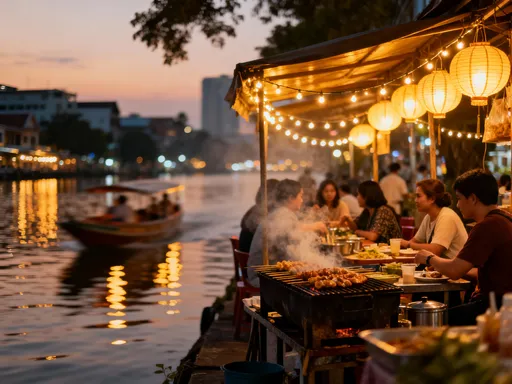
The moment I stepped off the bus into the warm evening air of Bodrum, my senses were pulled in every direction. The scent of grilling lamb floated over whitewashed buildings, mingling with the salty tang of the Aegean Sea. My first meal was at a small seaside meze restaurant tucked between a fisherman’s hut and a quiet cove. There were no menus in English, no flashy signs—just a chalkboard scrawled with daily specials and a smiling waiter who brought me a glass of ayran before I even sat down. That simple gesture, so full of warmth, set the tone for everything that followed.
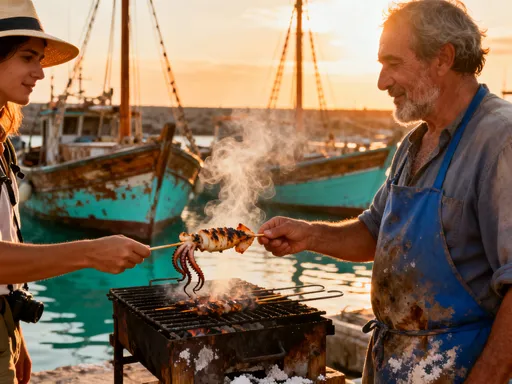
What struck me most was the contrast between the tourist image of Bodrum—glamorous yachts, designer boutiques, bustling nightlife—and the quiet authenticity of its everyday dining culture. While some visitors flock to overpriced waterfront spots with piped-in music, the locals gather in low-key family eateries where food is still made by hand and served with pride. My first bite of freshly grilled octopus, tender and charred at the edges, came with a squeeze of lemon and a drizzle of olive oil so fragrant it could only have come from nearby groves. The pita bread was warm, slightly chewy, and perfect for scooping up smoky eggplant salad.
Hospitality here isn’t performative—it’s woven into the fabric of daily life. When I struggled to pronounce the name of a dish, the owner came over, not to correct me, but to laugh kindly and bring me a sample anyway. That openness, that willingness to share, transformed what could have been just another meal into a moment of connection. In Bodrum, food isn’t transactional; it’s relational. It invites conversation, builds trust, and turns strangers into guests.
This kind of warmth is not incidental—it’s central to Turkish dining. Meals begin with small offerings: olives, cheese, bread, perhaps a spoonful of jam made from figs picked that morning. These gestures signal more than generosity; they signal respect. To eat in Bodrum is to be welcomed, not merely served. And once you’ve tasted that kind of welcome, it changes how you travel. You stop looking for the perfect photo and start looking for the next shared plate.
The Heart of the Table: Meze Culture Explained
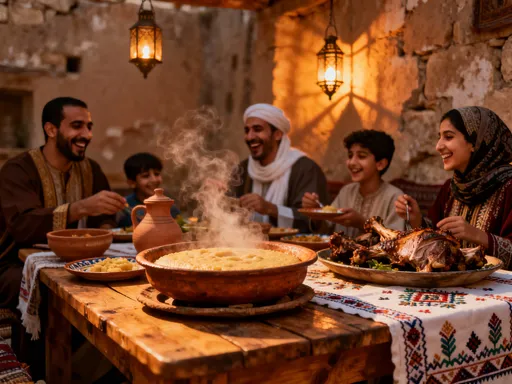
If there’s a single culinary philosophy that defines Bodrum, it’s meze. This isn’t an appetizer course or a prelude to the main event—it’s the main event. Meze refers to a collection of small dishes served family-style, meant to be shared slowly over conversation, wine, and time. It’s not about filling your stomach quickly; it’s about savoring the company as much as the food. In Bodrum, meze isn’t reserved for special occasions. It’s how people eat on ordinary evenings, how families gather on weekends, how friends reconnect after months apart.
At its core, meze is about balance—between textures, temperatures, and flavors. A typical spread might include dolma, grape leaves stuffed with herbed rice and pine nuts, their tartness cut by a dollop of yogurt. Next to it, a bowl of haydari, a thick garlic-infused yogurt dip flecked with dill and mint, cooling against the heat of grilled meats. There’s patlıcan salatası, a smoky eggplant purée that carries the essence of the open flame, and fried calamari, golden and crisp, best eaten with a squeeze of lemon and a sprinkle of parsley.
What makes meze special isn’t just the food—it’s the rhythm it creates. Dishes arrive one by one, sometimes without announcement, encouraging diners to linger, to talk, to refill glasses of rakı or tea. There’s no rush, no pressure to move on. In a world that often measures meals in minutes, meze feels like resistance—a quiet insistence that good food deserves time. In Bodrum, dinner can last three hours, not because people are late, but because they refuse to hurry.
This style of eating reflects a deeper cultural value: the importance of presence. When you sit down to a meze table, you’re not just consuming calories—you’re participating in a ritual. The act of sharing small plates fosters intimacy. It invites curiosity—“What’s that? Can I try?”—and rewards it with flavor. For travelers, embracing meze means embracing slowness, openness, and the joy of discovery. It’s not just how people eat in Bodrum; it’s how they live.
Street Food Gems: Where Locals Eat
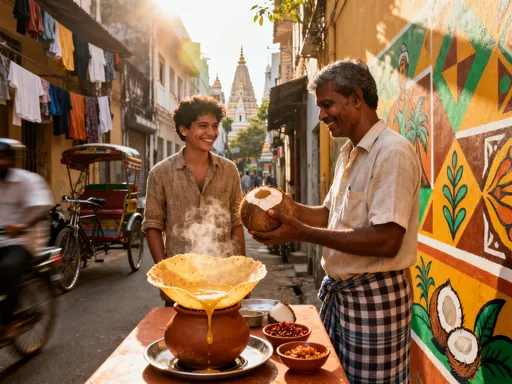
While meze offers a deep dive into Bodrum’s culinary soul, its street food reveals the city’s everyday heartbeat. Wander through the backstreets of the old town, and you’ll find vendors selling snacks that are simple, affordable, and bursting with flavor. These aren’t tourist traps—they’re lifelines for fishermen, shopkeepers, and students grabbing a quick bite between tasks. And yet, they deliver some of the most memorable tastes of the trip.
One morning, I followed the scent of toasted sesame to a small cart near the marina, where a man was stacking golden simit—Turkey’s answer to the bagel—into wire baskets. Crisp on the outside, soft within, and coated in poppy and sesame seeds, simit is the perfect handheld breakfast. Paired with a slice of feta and a cup of strong Turkish tea, it’s a meal that fuels both body and spirit. Locals buy them by the half-dozen, tucking them into paper bags as they head to work or the market.
Another favorite is kumpir, a baked potato stuffed with butter, cheese, and an array of toppings that can include pickles, corn, olives, and even dried fruit. Found mostly in lively squares and near ferry docks, kumpir stands let you customize your filling, turning a humble spud into a feast. I watched a grandmother order hers with just butter and parsley—“the old way,” she told me with a wink—while a group of teenagers loaded theirs with mayonnaise and sausages. Both were valid. Both were delicious.
To eat like a local, timing matters. The best simit is sold early, often before 9 a.m., when it’s still warm from the oven. Kumpir is a late afternoon or early evening treat, perfect after a day of exploring. And when ordering, a simple “Merhaba” followed by pointing works better than any phrasebook. Avoid spots that look too clean or have laminated menus in five languages—authenticity often hides in plain sight, in places with plastic stools and handwritten signs.
Street food in Bodrum isn’t just about convenience; it’s about community. It’s where generations meet, where news is exchanged, where life unfolds in real time. To eat from a cart isn’t to settle for less—it’s to join the pulse of the city.
Fish Markets & Fresh Catches: From Sea to Plate
No visit to Bodrum would be complete without experiencing its deep connection to the sea. Each morning, just as the sun rises over the harbor, fishermen return with their catch, bringing crates of silvery sardines, glistening sea bream, and plump octopus still curling from the cool of the ice. The fish market, a covered hall near the waterfront, buzzes with activity. Vendors call out prices, tourists snap photos, and locals inspect the day’s haul with practiced eyes.
I joined a small tour led by a local chef who taught me how to choose the freshest fish—bright eyes, firm flesh, a clean ocean smell. He showed me how to press the skin gently; if it springs back, it’s fresh. We watched as a vendor expertly cleaned a sea bass in seconds, then wrapped it in paper printed with his shop’s name. “This,” he said, “is how we eat here. Not frozen, not farmed, not flown in. This is today’s sea.”
Many of the fish market’s customers are owners of small, family-run restaurants that specialize in balık ekmek—grilled or fried fish served in a crusty roll with onions, lettuce, and a squeeze of lemon. These spots don’t advertise. You find them by following the line of locals waiting with folded napkins in hand. I sat on a plastic stool at one such place, watching the cook grill a whole mackerel over charcoal. The skin crackled as it cooked, releasing a scent that made my mouth water before the first bite.
What impressed me most was the respect for sustainability. While tourism has increased demand, many fishermen still use traditional methods—small nets, seasonal limits, and a deep knowledge of marine cycles. Restaurants often list the source of their fish, and some proudly display certificates from local cooperatives that promote responsible fishing. This isn’t performative eco-consciousness; it’s necessity. The sea has fed Bodrum for generations. To abuse it would be to betray tradition.
Eating fresh, locally caught seafood isn’t just a luxury—it’s a statement of values. It says that quality matters, that patience matters, that the rhythm of nature should guide our plates. In Bodrum, the shortest distance between the sea and the table is not a supply chain—it’s a conversation.
Hidden Village Eats: Beyond the Tourist Trail
One of the most moving meals I had in Turkey came not in Bodrum, but in a small village nestled in the hills just a short drive from the coast. The road wound through olive groves and wild thyme, leading to a cluster of stone houses with red-tiled roofs and flower-filled courtyards. I had been invited by a guide who grew up there, eager to show me what he called “the real kitchen of Anatolia.”
The host, a woman named Ayşe, greeted us barefoot in her kitchen, where a clay oven—tandoor—was already glowing with embers. She pulled out a tray of dough and began shaping flatbreads by hand, slapping them onto the hot interior wall. The sound, a soft thud followed by a faint hiss, was hypnotic. Within minutes, the bread emerged, puffed and blistered, its edges charred just enough to add depth. She tore off a piece, brushed it with butter, and handed it to me. I’ve never tasted anything so simple and so perfect.
Lunch was keşkek, a slow-cooked dish of cracked wheat and shredded chicken, simmered for hours until it formed a rich, porridge-like consistency. It’s traditionally served at weddings and religious celebrations, a symbol of unity and abundance. Ayşe stirred the pot with a wooden spoon, explaining how her grandmother taught her to cook it over a wood fire, adjusting the heat by feel. “You can’t rush this,” she said. “It listens to your hands, not your clock.”
After the meal, she showed me her recipe book, a worn notebook filled with handwritten notes in Turkish, some pages stained with oil and spice. She couldn’t read English, but she pointed to ingredients, mimed techniques, and laughed when I tried to repeat the words. One recipe was marked “for wedding day”—a layered pastry filled with walnuts and honey, baked in the tandoor until golden.
What made this meal unforgettable wasn’t just the food—it was the context. There were no prices, no menus, no expectations. I was a guest, not a customer. And in that distinction lies the heart of Turkish hospitality. To be welcomed into someone’s home, to eat food made with love and tradition, is to taste something deeper than flavor: it’s to taste belonging.
Sweet Endings: Desserts That Tell Stories
In Bodrum, dessert is not an afterthought—it’s a celebration. Turkish sweets are rich with history, often tied to Ottoman traditions, seasonal rituals, and family memories. They’re also surprisingly varied, from milk-based puddings to nut-filled pastries, each carrying its own story.
One of the most surprising was tavuk göğsü, a dessert made from shredded chicken breast, milk, sugar, and rice flour. It sounds unusual, but the result is a silky, vanilla-scented pudding with a delicate texture that melts on the tongue. The chicken adds no flavor, only richness—a testament to the ingenuity of old-world cooking, where nothing went to waste. I tried it at a quiet café off Bodrum’s main square, where an elderly couple shared a single portion, feeding each other spoonfuls with quiet affection.
Then there’s lokum, better known as Turkish delight. In Bodrum, the best versions are made in small batches, dusted with powdered sugar or coconut, and infused with rosewater, lemon, or pistachio. I visited a family-owned shop where the owner pulled warm gel from a copper tray, cutting it into cubes with a wet knife. “We make it every morning,” he said. “No machines, no preservatives. Just time and care.”
Another favorite was kazandibi, a caramelized milk pudding with a dark, slightly bitter crust formed from careful charring. The name means “bottom of the pot,” and the treat is prized for that smoky layer that forms when the sugar burns just enough to deepen the flavor. I found an excellent version at a bakery near the castle, where the owner served it warm, still in its copper dish.
What unites these desserts is their emotional weight. They’re served at holidays, given as gifts, remembered from childhood. To eat them is to participate in a tradition of generosity and sweetness—both literal and symbolic. In a culture that values hospitality so deeply, offering dessert is a final act of care, a way of saying, “Stay a little longer. There’s more to share.”
Bringing Bodrum Home: How to Recreate the Flavors
Returning home, I didn’t want to lose the rhythms I’d learned in Bodrum. I didn’t need an exact replica of the food—I needed the spirit of it. So I began to adapt. I started with simple recipes: a spiced rice pilaf with currants and almonds, a grilled eggplant salad with garlic yogurt, a herb-heavy salad of cucumber, tomato, and parsley dressed in lemon and olive oil. These dishes didn’t require rare ingredients, just attention.
I sought out Turkish pantry staples: sumac for its tangy brightness, pul biber (Turkish red pepper flakes) for gentle heat, and high-quality olive oil—preferably from a Mediterranean source. When I couldn’t find fresh pita, I made flatbread at home, cooking it in a cast-iron skillet until it puffed and charred slightly. I learned that freshness isn’t just about ingredients—it’s about timing. Herbs should be chopped just before serving. Yogurt should be drained to thicken it. Meals should be assembled, not reheated.
But more than technique, I brought back a mindset. Cooking, I realized, doesn’t have to be about efficiency. It can be an act of connection—to family, to tradition, to the moment. I began inviting friends over for meze-style dinners, setting out small plates and encouraging everyone to share. We ate slowly, talked freely, and lingered long after the last bite. It wasn’t Turkey, but it carried the same spirit.
Recreating Bodrum’s flavors isn’t about perfection. It’s about intention. It’s about choosing presence over speed, generosity over convenience, and warmth over polish. You don’t need a seaside view to eat like you’re in Bodrum. You just need to believe that every meal matters.
Conclusion
Bodrum’s food culture isn’t about fine dining or Instagram trends—it’s about presence, people, and pride in simple things done well. Every meal taught me to slow down, savor more, and connect deeply. From the first bite of smoky eggplant to the last spoonful of caramelized kazandibi, I was reminded that food is more than fuel. It’s memory. It’s identity. It’s love made edible.
The flavors of Bodrum stay with you not because they’re exotic, but because they’re honest. They come from sun-ripened tomatoes, from hands that knead dough daily, from generations that believe a shared table is sacred. This is travel at its most nourishing—not just for the body, but for the soul.
So next time you go, don’t just visit Bodrum—taste it. Let the meze slow you down. Let the sea air season your thoughts. Let a stranger’s kindness, offered on a piece of warm bread, remind you what it means to be welcomed. In a world that moves too fast, Bodrum’s table offers something rare: the courage to eat like it matters. And it does.