You Won’t Believe These Hidden Natural Gems in Sydney
Sydney isn’t just about the Opera House and Harbour Bridge—its wild side is what truly takes your breath away. I’ve explored coastlines that feel untouched, bushland trails with views that stop you mid-step, and secret spots locals barely talk about. This city blends urban energy with raw natural beauty in a way I never expected. If you're chasing real connection with nature, Sydney delivers—quiet coves, rugged cliffs, and eucalyptus-scented walks await just beyond the tourist trail.
Beyond the Postcard: Sydney’s Untamed Side
Sydney’s identity is often captured in postcard images of sails gliding past the Harbour Bridge, but its true soul lies beyond the skyline. Just a short drive—or even a ferry ride—from the bustling CBD, the city gives way to vast stretches of protected wilderness. Over 200 national parks surround and weave through Greater Sydney, forming a green tapestry that supports native wildlife, filters air and water, and offers sanctuary to millions of residents. These natural reserves are not afterthoughts; they are foundational to Sydney’s character and well-being.
The Greater Blue Mountains, a UNESCO World Heritage Site located about 90 minutes west of the city, is one of the most significant temperate wilderness areas in the world. Spanning over one million hectares, it shelters more than 400 species of animals and 1,500 plant species, including the rare Wollemi pine. Its deep valleys, sandstone cliffs, and eucalyptus forests create a landscape of dramatic contrasts. For those seeking solitude and a sense of timelessness, the Blue Mountains offer walking trails like the Grand Canyon Track or the Six Foot Track, where silence is broken only by the call of a kookaburra or the rustle of a wallaby in the underbrush.
Sydney Harbour National Park, encompassing over 200 hectares of foreshore land, is equally vital. It includes iconic spots like North Head and South Head, as well as lesser-known bays such as Chowder Bay and Camp Cove. These areas protect critical habitats for migratory birds, marine life, and native plants, while also offering accessible recreation for city dwellers. Royal National Park, established in 1879 as the world’s second-oldest national park, stretches 139 square kilometers along the coast south of Sydney. It features heathlands, rainforest pockets, and dramatic sea cliffs, and is home to endangered species like the eastern bristlebird and the long-nosed potoroo.
These protected areas do more than preserve biodiversity—they enhance human health. Studies show that spending time in nature reduces stress, improves concentration, and supports emotional resilience. For Sydney’s 5 million residents, especially women balancing family, work, and personal well-being, access to green space is not a luxury but a necessity. The city’s integration of nature into daily life—where a morning walk can include both city streets and bird-filled bushland—sets it apart from other global metropolises. It is this harmony between urban rhythm and natural serenity that defines Sydney’s unique appeal.
The Coastal Magic: Walking the Cliff-Top Trails
Sydney’s coastline is one of its greatest gifts, stretching over 70 kilometers with dramatic cliffs, hidden coves, and golden beaches. Among the most celebrated experiences are its coastal walks—pathways that wind along the ocean’s edge, offering ever-changing views of the Pacific. These trails are more than scenic routes; they are invitations to slow down, breathe deeply, and reconnect with the elemental power of wind, water, and sky.
The Bondi to Coogee Walk is perhaps the most famous, attracting thousands each week. Spanning 6 kilometers, it links six beaches through a series of headlands and parks. What makes it special is not just the panoramic views—though the sight of Ben Buckler Point at sunset is unforgettable—but its accessibility. Strollers, joggers, and solo walkers alike find their pace along this well-maintained path. Benches at every bay invite rest, while cafes in Tamarama and Bronte offer refreshment with ocean views. For families, it’s a perfect half-day outing; for individuals, it’s a moving meditation.
For a longer challenge, the Spit to Manly Walk covers 10 kilometers from Mosman to Manly, crossing seven headlands with sweeping views of Middle Harbour and the Pacific. Less crowded than Bondi to Coogee, it reveals quieter corners of Sydney’s northern beaches. Highlights include the Aboriginal rock engravings at Grotto Point and the serene beauty of Chinaman’s Beach. The trail ends at Manly Wharf, where a ferry ride back to Circular Quay becomes part of the adventure.
Those seeking solitude might prefer the Maroubra to Malabar route, a 3-kilometer stretch that feels worlds away from the city. This path follows rugged cliffs above Malabar Headland, where native grasslands meet the sea. It’s a favorite among birdwatchers—peregrine falcons and ospreys often circle overhead. The trail is less developed, with natural surfaces and fewer amenities, making sturdy footwear essential. Yet this rawness is part of its charm. Here, the roar of waves against basalt cliffs drowns out the hum of traffic, offering a rare sense of escape without leaving the city limits.
Timing and preparation enhance the experience. Early mornings are ideal, with soft light and cooler temperatures. Sun protection—hat, sunscreen, sunglasses—is non-negotiable, even on cloudy days. Carrying water is crucial, especially in summer, as shade is limited on exposed headlands. Most trails have signage and emergency call points, but downloading offline maps ensures safety if mobile reception drops. Whether walking solo or with loved ones, these coastal paths offer more than exercise—they deliver moments of awe that linger long after the journey ends.
Secret Beaches Only Locals Know
While Bondi and Manly draw international crowds, Sydney’s quieter beaches offer intimacy, tranquility, and a chance to experience the coast as locals do. These hidden coves are often tucked between headlands, accessible only by foot or a short drive down unmarked roads. They are not featured in glossy brochures, but they are treasured by families, snorkelers, and those seeking a peaceful picnic by the sea.
Shelley Beach in Mosman is one such gem. Nestled between Balmoral and Cremorne Point, it’s a small, sheltered bay ideal for young children and beginner swimmers. The calm, clear waters are perfect for snorkeling, where you might spot blue gropers, luderick, and even the occasional cuttlefish among the rocks. A grassy reserve surrounds the beach, with picnic tables, barbecues, and shade trees—making it a favorite for weekend family gatherings. Because it’s reached via a steep path from Neild Avenue, it remains uncrowded even on sunny days.
Further south, Little Bay Beach offers a different kind of solitude. Once home to a former hospital complex, the area has been reclaimed by nature. The beach itself is crescent-shaped, framed by sandstone cliffs and native shrubs. It’s less frequented due to its remote location and lack of direct public transport, but those who make the effort are rewarded with peaceful waters and a strong sense of seclusion. The nearby Cape Banks walking trail connects to it, allowing for a scenic hike before a swim. Caution is advised—currents can be strong, and there are no lifeguards on duty, so swimming between the flags is not possible here.
Milk Beach in Kirribilli is another insider favorite. Overlooked by the Sydney Harbour Bridge, it’s a small, rocky inlet with a jetty and a few moored boats. While not ideal for swimming, it’s perfect for a quiet morning walk or a coffee enjoyed on the adjacent park bench. The view of the Opera House from this angle is unobstructed and breathtaking. Because it’s near residential homes, visitors are asked to be respectful—keeping noise down and taking all rubbish with them.
Visiting these beaches responsibly is essential. Rip currents, tidal changes, and fragile ecosystems mean that awareness and caution must guide every visit. Always check surf conditions before entering the water, and never turn your back on the ocean. Respect marine life—do not touch or feed animals, and avoid stepping on coral or seagrass. Most importantly, follow the “leave no trace” principle: pack out everything you bring in. These beaches remain pristine because locals protect them; visitors can honor that legacy by treading lightly and leaving only footprints in the sand.
Bush Escapes Within the City Limits
One of Sydney’s most remarkable features is how easily the urban landscape gives way to wild bushland. Within minutes of leaving busy streets, you can find yourself walking beneath towering gums, listening to the whip of a wattlebird or the rustle of a goanna in the undergrowth. These green sanctuaries are not distant wildernesses—they are embedded in the city, offering immediate relief from the pace of modern life.
Lane Cove National Park, located just 15 kilometers northwest of the CBD, is a prime example. Covering over 600 hectares along the Lane Cove River, it features dense eucalypt forest, sandstone ridges, and tranquil waterways. The park offers over 30 kilometers of walking trails, ranging from easy riverside strolls to more challenging climbs like the Longueville Track. Kayaking is popular here, with rental options available at the park’s boatshed. For families, the Weil Walk is a gentle loop that passes Aboriginal grinding grooves—evidence of thousands of years of Indigenous connection to the land.
Centennial Parklands, though more manicured, is no less valuable. Spanning 388 hectares in the eastern suburbs, it was originally a swamp transformed into a public park in 1888. Today, it combines open fields, ornamental lakes, and native bushland corridors. It’s a hub for activity—cyclists, horse riders, and dog walkers share the wide paths, while children play in the adventure playgrounds. The Lachlan Waterbird Reserve within the park is a haven for birdlife, including ibis, herons, and Pacific black ducks. Early mornings here are especially peaceful, with mist rising off the ponds and the air filled with birdsong.
Further north, Berowra Valley Regional Park stretches across 20 kilometers of rugged terrain between Hornsby and Pennant Hills. Known for its cascading creeks and steep ravines, it offers some of the most immersive bushwalking in the city. The Berowra Creek Trail, which follows the waterway for 35 kilometers, is a favorite among serious hikers. The area is rich in biodiversity, with warblers, lyrebirds, and gliders calling it home. Because the terrain is more remote, visitors should carry water, wear appropriate footwear, and let someone know their plans before setting out.
These parks are not just recreational spaces—they are lifelines. For women managing the demands of household, career, and personal health, a walk in the bush can restore balance. The scent of eucalyptus, the dappled light through the canopy, the rhythm of footsteps on a dirt path—these sensory experiences ground the mind and soothe the nervous system. Whether it’s a 20-minute lunchtime stroll or a weekend hike, these urban oases offer a vital connection to nature without requiring a long journey.
Sunrise, Sunset, and the Best Natural Vistas
In a city shaped by water and light, few experiences rival watching the sun rise or set over Sydney’s natural landscape. The golden hours transform familiar views into something magical—the harbor glows, cliffs turn amber, and the sky becomes a canvas of pinks, oranges, and purples. These moments are not just beautiful; they are deeply restorative, offering a pause in the rush of daily life.
Taylor Square Lookout in the Royal National Park is one of the best vantage points for sunrise. Perched on a sandstone cliff, it overlooks the Pacific Ocean with unobstructed views to the east. Arriving before dawn, you’ll likely have the place to yourself. As the first light breaks the horizon, the ocean shimmers like liquid gold. The sound of waves below and the cool morning air create a sense of renewal. Photographers will want a tripod and a wide-angle lens to capture the full sweep of the scene.
Cremorne Point Reserve, on the Lower North Shore, is ideal for sunset. This small park juts into Sydney Harbour, offering a front-row seat to the evening light playing across the water. The view of the city skyline, with the Opera House and Bridge silhouetted against the fading sky, is iconic. Locals gather here with picnics, children, and dogs, creating a warm, communal atmosphere. Because it’s popular, arriving early ensures a good spot—especially on weekends.
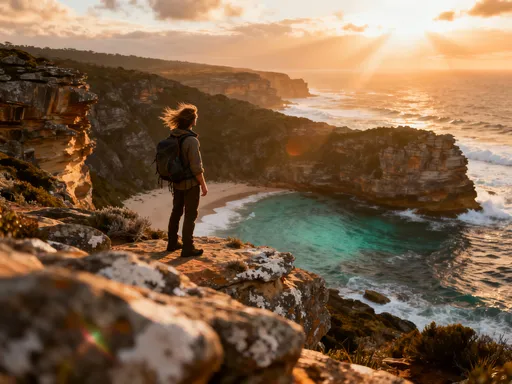
Cape Banks, at the southern end of the Botany Bay coastline, is another hidden gem for golden-hour viewing. Part of the Kamay Botany Bay National Park, it features dramatic sea caves and basalt columns shaped by millennia of erosion. At sunset, the red rocks glow, and the ocean takes on a deep blue hue. The walk from Little Bay to Cape Banks is relatively short but feels remote, making it perfect for a quiet, reflective moment.
These experiences align with growing interest in mindfulness and digital detox. Stepping away from screens and into nature—even for 30 minutes—can reset the mind and improve emotional clarity. Turning off notifications, breathing deeply, and simply watching the light change fosters presence. For many, these quiet moments become rituals—personal ceremonies that mark the transition from work to rest, from busyness to stillness. In a world that never stops moving, Sydney’s natural vistas offer a rare gift: the chance to just be.
Sustainable Exploration: How to Visit Responsibly
As more people discover Sydney’s natural treasures, the pressure on these fragile environments grows. Popular trails show signs of erosion, beaches accumulate microplastics, and wildlife faces disruption from noise and litter. The joy of discovery must be balanced with responsibility—visitors have a duty to protect the very places they come to love.
Staying on marked paths is one of the simplest yet most effective ways to minimize impact. Trampling on native vegetation can destroy slow-growing plants and expose soil to erosion. In areas like the Blue Mountains or Royal National Park, where some plants take decades to recover, this precaution is vital. Similarly, feeding wildlife—even with good intentions—can harm animals by altering their natural diets and behaviors. A sandwich crust might seem harmless, but it can make a kookaburra dependent on human food, leading to health problems and aggressive behavior.
Reducing plastic use is equally important. Carrying a reusable water bottle, coffee cup, and shopping bag prevents waste from entering ecosystems. Many parks now have refill stations, making it easy to stay hydrated without buying single-use bottles. When picnicking, pack food in reusable containers and take all rubbish home. Even biodegradable items like fruit peels can disrupt local ecosystems if left behind.
Transport choices matter too. Opting for public transit, cycling, or carpooling reduces carbon emissions and eases congestion in park car parks. The Manly ferry, for example, offers a scenic, low-impact way to reach northern beaches. For inland parks, weekend shuttle services are increasingly available, reducing the need for private vehicles.
For those who want to go further, volunteer opportunities abound. Bushcare groups across Sydney organize monthly planting and weeding sessions to restore native vegetation. Beach clean-ups, often led by organizations like Take 3 or Tangaroa Blue, welcome individuals and families. These activities not only help the environment but also build community—connecting people who share a love for nature. Becoming a steward, rather than just a visitor, transforms the relationship with the landscape from passive enjoyment to active care.
Why Nature Is Sydney’s True Soul
Sydney is often described as a city of icons—the sail-like Opera House, the steel arch of the Harbour Bridge, the golden arc of Bondi Beach. But its true identity is not found in architecture or postcards. It lives in the whisper of wind through scribbly gums, the crash of waves against secluded cliffs, the quiet moment when a sea eagle soars overhead and the world seems to pause.
This is a city cradled by nature, where urban life and wilderness are not opposites but companions. From the moment you step onto a coastal trail or wander through a bushland reserve, you begin to understand that Sydney’s heartbeat is not in its traffic or skyline, but in its natural rhythms—the tides, the seasons, the cycles of growth and renewal. For women who navigate complex lives filled with responsibility and care, these spaces offer more than recreation; they offer restoration.
Exploring Sydney’s hidden natural gems is not about ticking off destinations. It’s about depth, presence, and connection. It’s the difference between seeing a view and feeling it—the salt on your skin, the warmth of sun on stone, the peace that comes from being small in a vast, beautiful world. It’s about slowing down long enough to notice a wallaby darting into the trees or a spiderweb glistening with dew.
The call is not to become an adventurer, but to become mindful. To choose a trail over a screen, a sunrise over a schedule, a moment of stillness over constant motion. Sydney’s wild heart beats quietly, beneath the noise. All it asks is that we listen, that we visit with respect, and that we return—not just as tourists, but as guardians of its enduring beauty.